Blog
Nutritional
values.
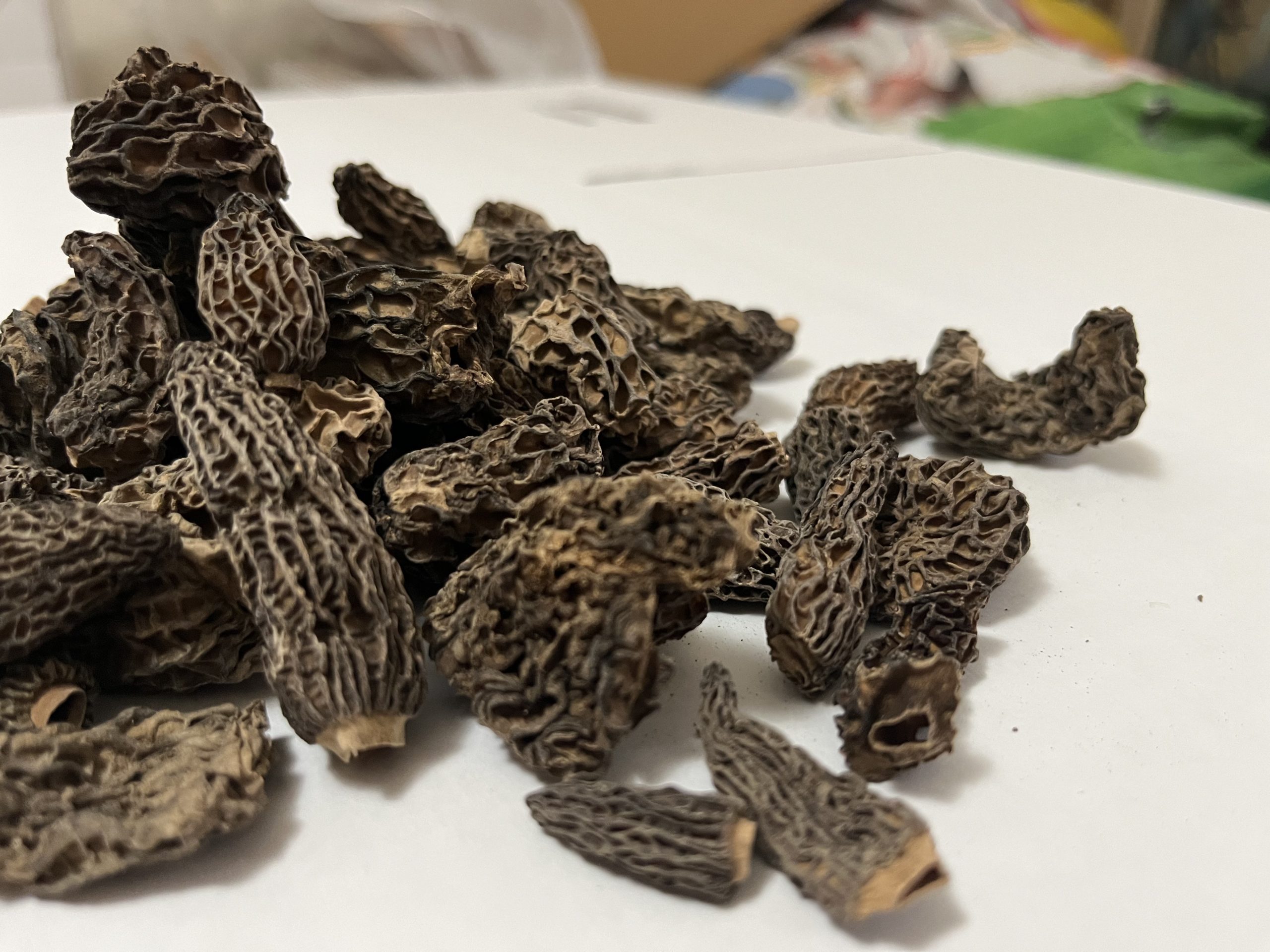
Dried morels have a slightly different nutritional value compared to their fresh counterparts, due to water loss during the drying process. For 100 grams of dried morels:
| Calories | approximately 280 kcal |
| Proteins | approximately 13.2 g |
| Carbohydrates | approximately 59.1 g |
| Fats | approximately 1.6 g |
| Dietary fibre | approximately 14.8 g |
Vitamins and minerals.
Dried morels retain some of their vitamins, including vitamin D, vitamin B2 (riboflavin) and niacin. They may contain significant amounts of minerals such as potassium, iron and phosphorus.
They also retain certain bioactive compounds and antioxidants, although their concentration may vary depending on the drying and storage process.
In cooking.
Dried morels are rehydrated before use by soaking them in water. The soaking water, once filtered, retains much of the flavour — it should not be discarded.
Further reading
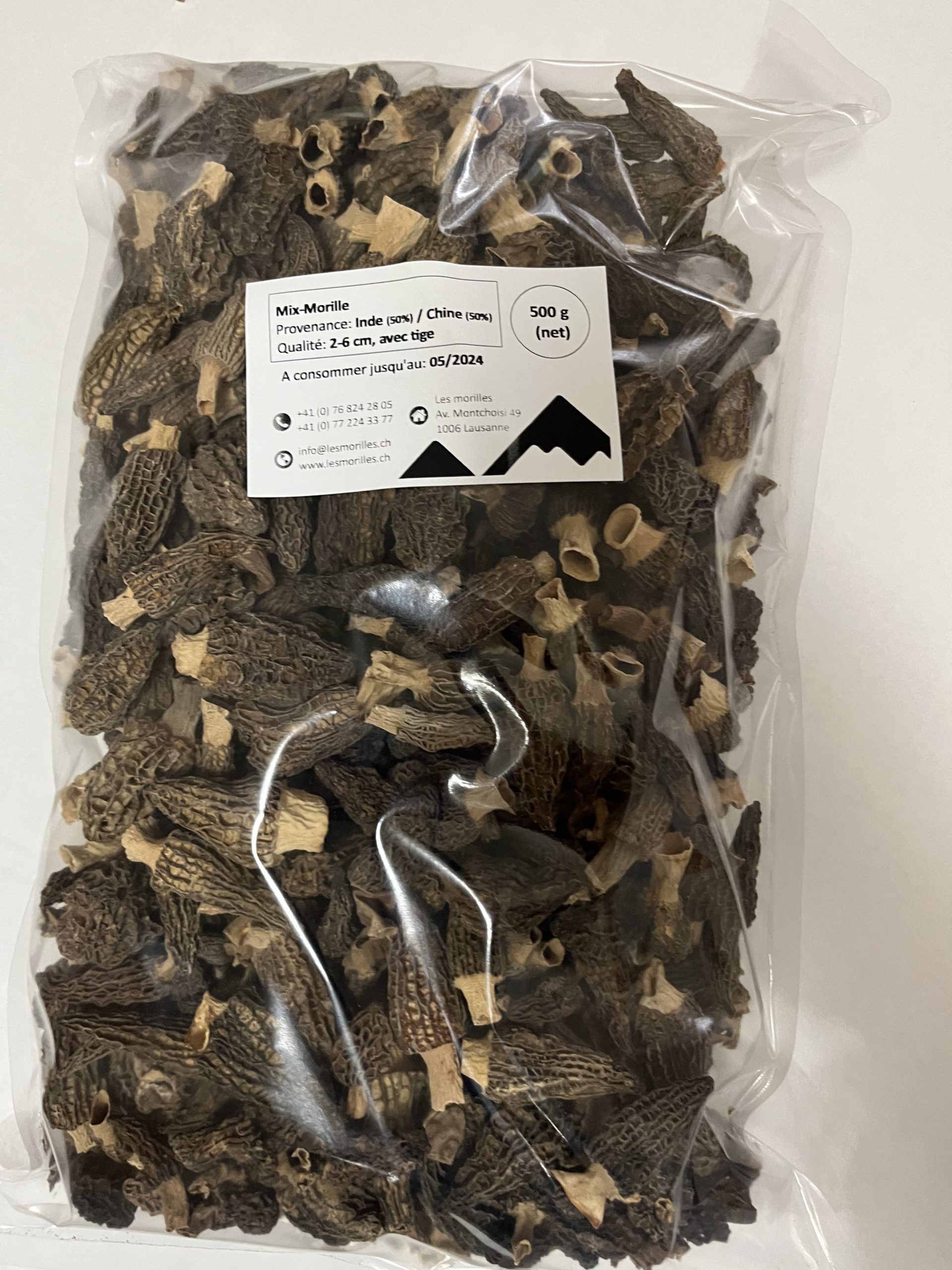
Safety: why
cook morels
Morels contain thermolabile compounds, destroyed by cooking. Here is why they are always eaten cooked — and how cooking affects their texture and aroma.
Read →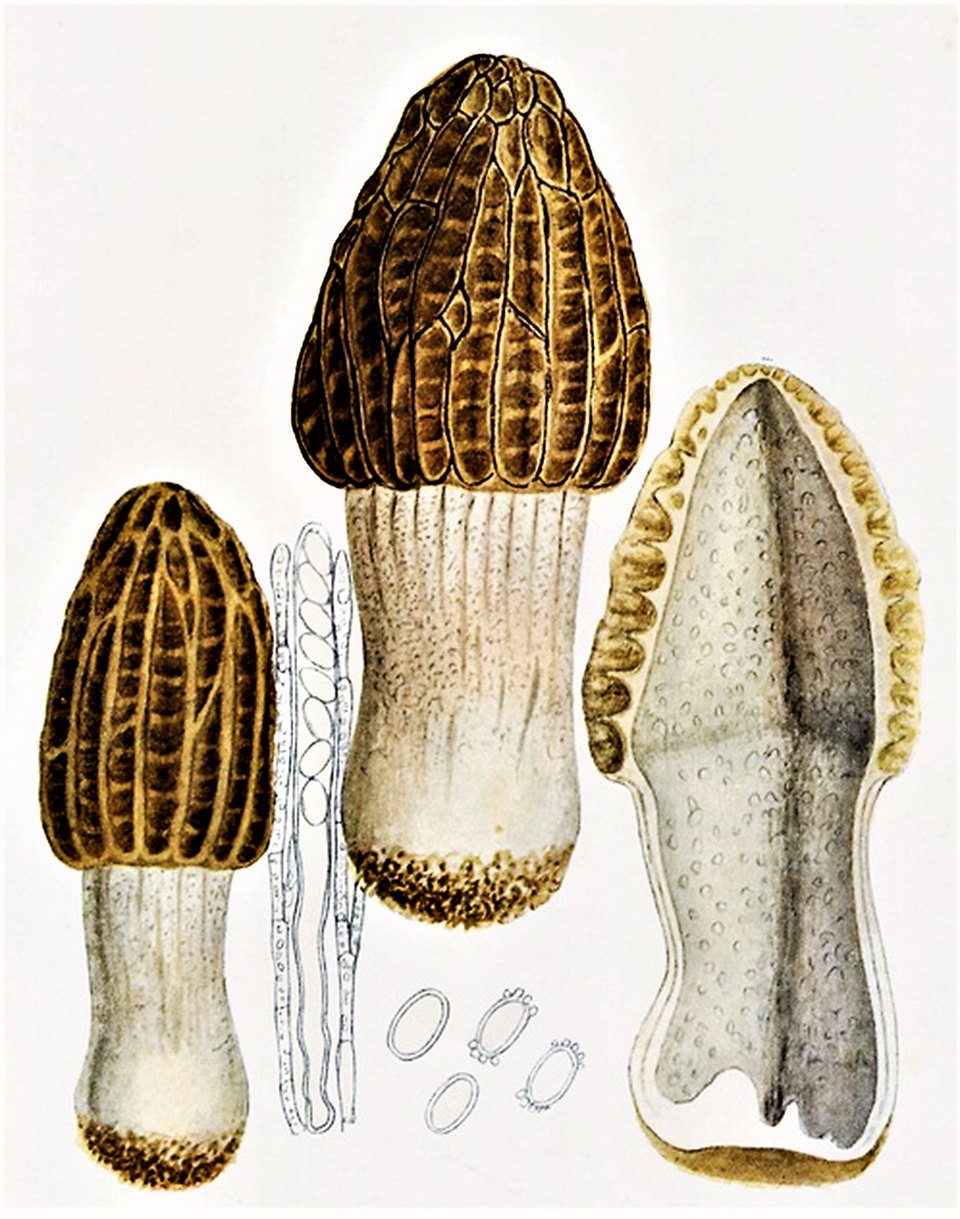
How many
morel species?
Three or four names in cooking, 65 recognised species in 2015, 76 in 2019 — and less than half have a name.
Read →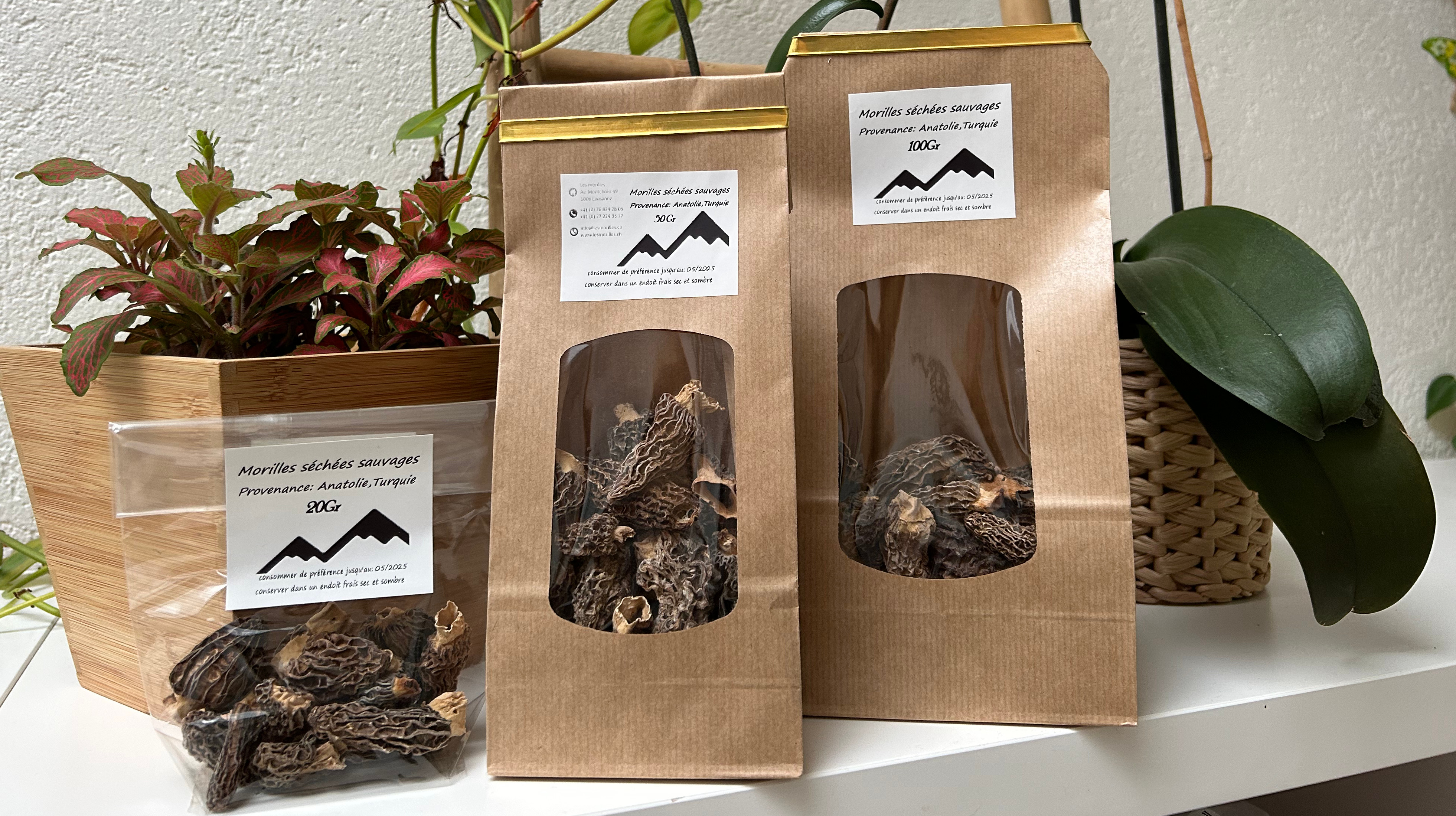
Storing dried
morels
Methods for storing dried morels away from moisture and light. Shelf life, signs of degradation and common mistakes.
Read →