
Introduction
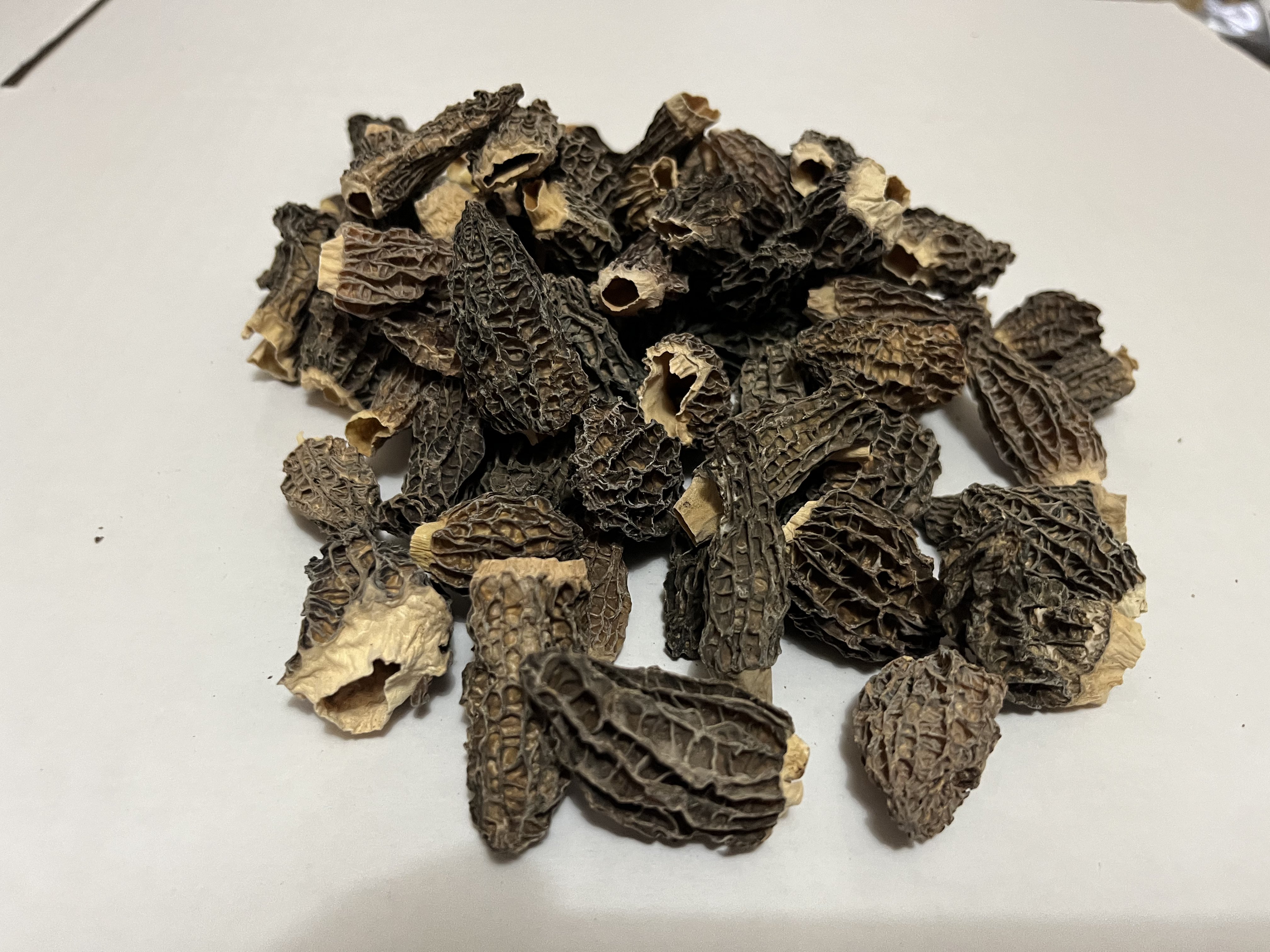
The morel,
in five chapters.
A delicate delicacy, celebrated by chefs and gourmets worldwide.
I — Description
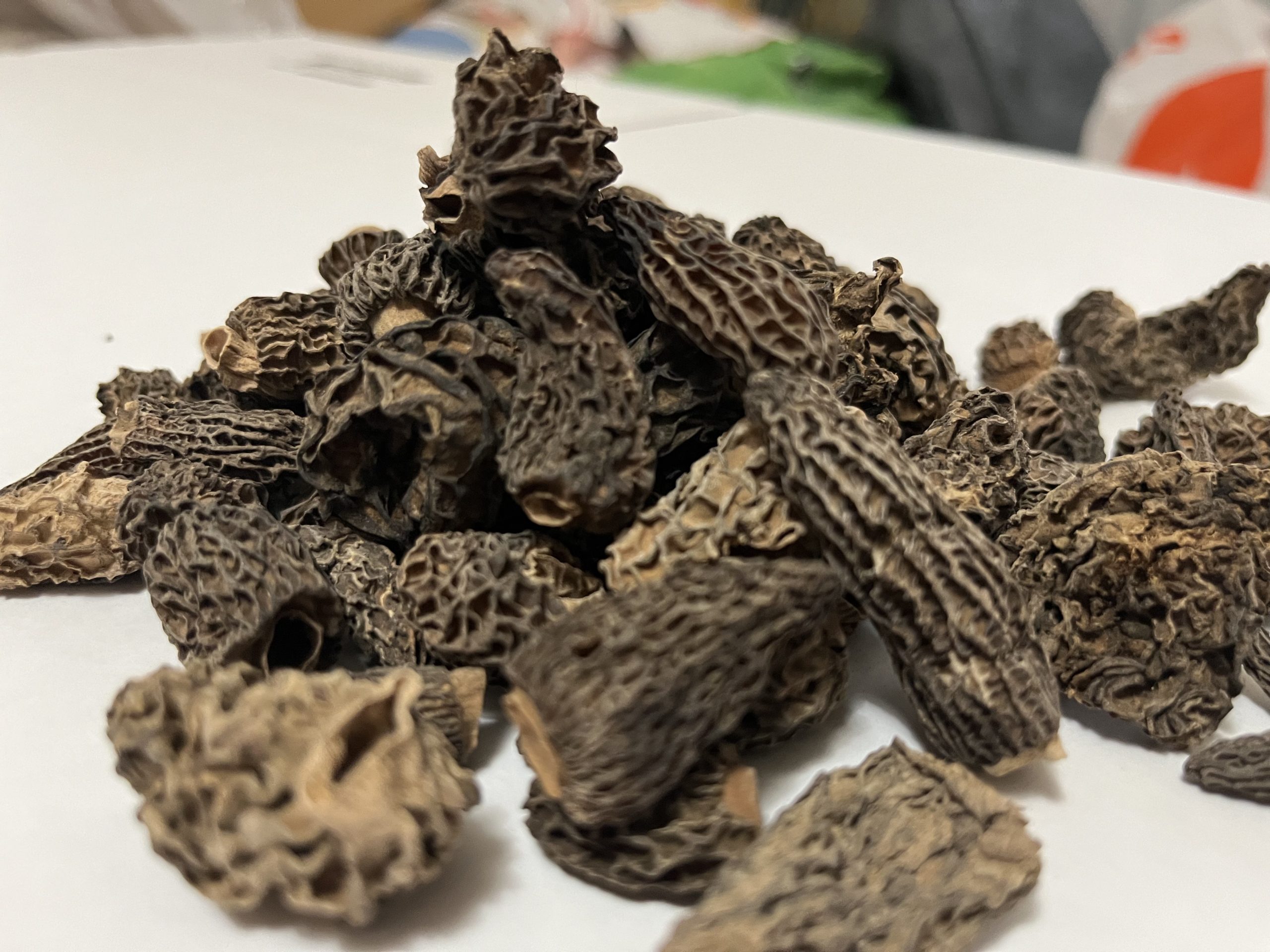
A sponge,
and nothing resembles it.
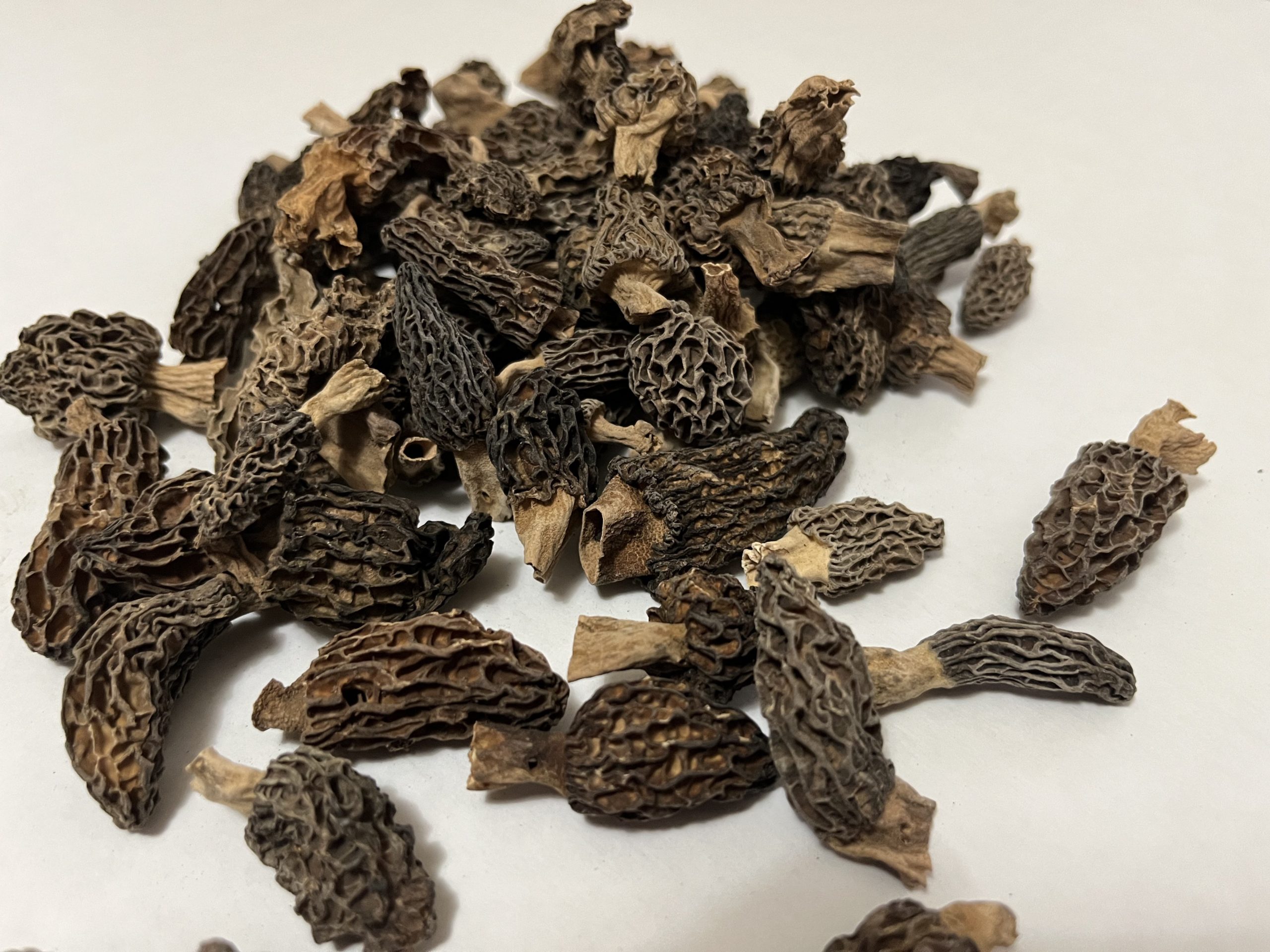
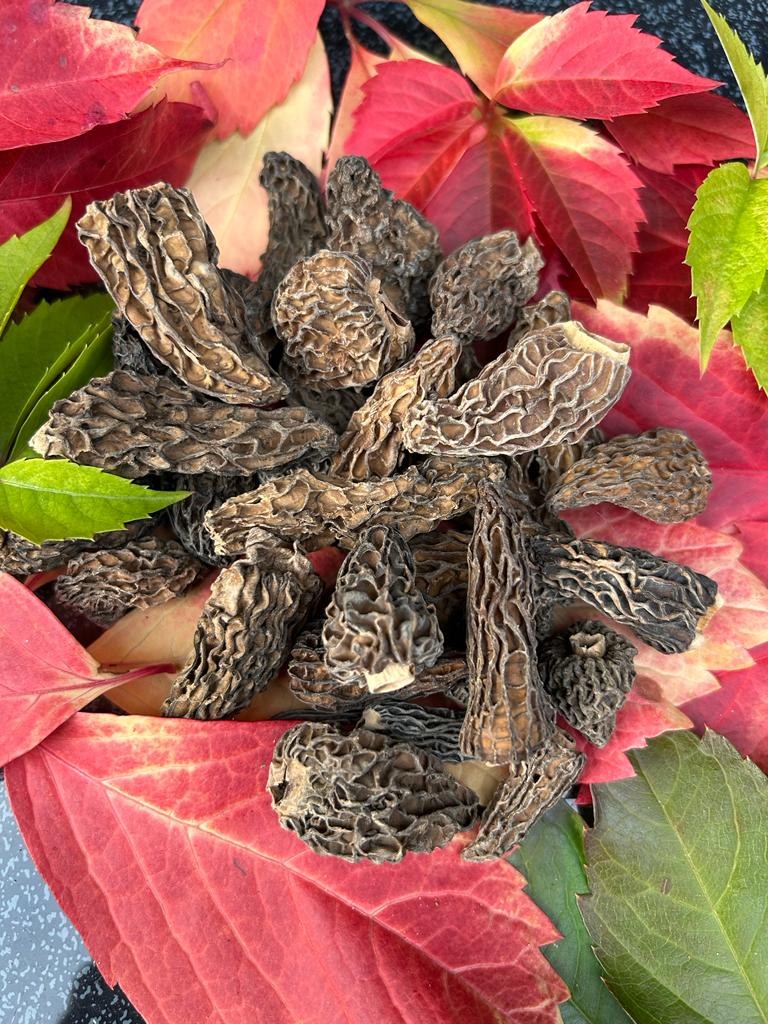
Morels belong to the genus Morchella. Their honeycombed cap, hollowed like a sponge, distinguishes them from all other mushrooms. Their colour ranges from beige to dark brown.
II — Habitat and harvest
They choose
their terrain.
Morels grow in wooded areas, near fruit trees or on old burn sites. Their harvest is seasonal and short: this explains their rarity and price.
III — Flavour and cooking
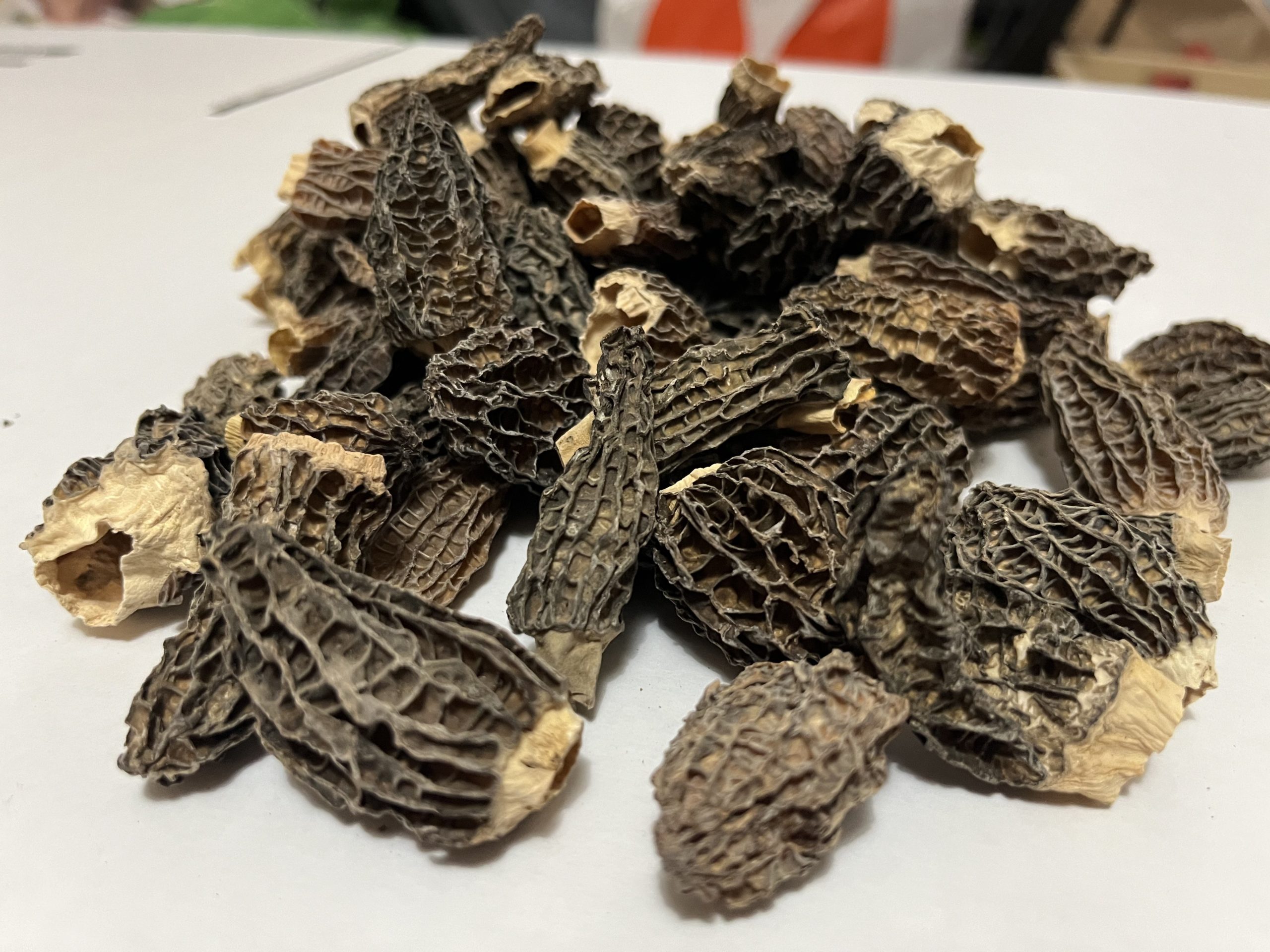
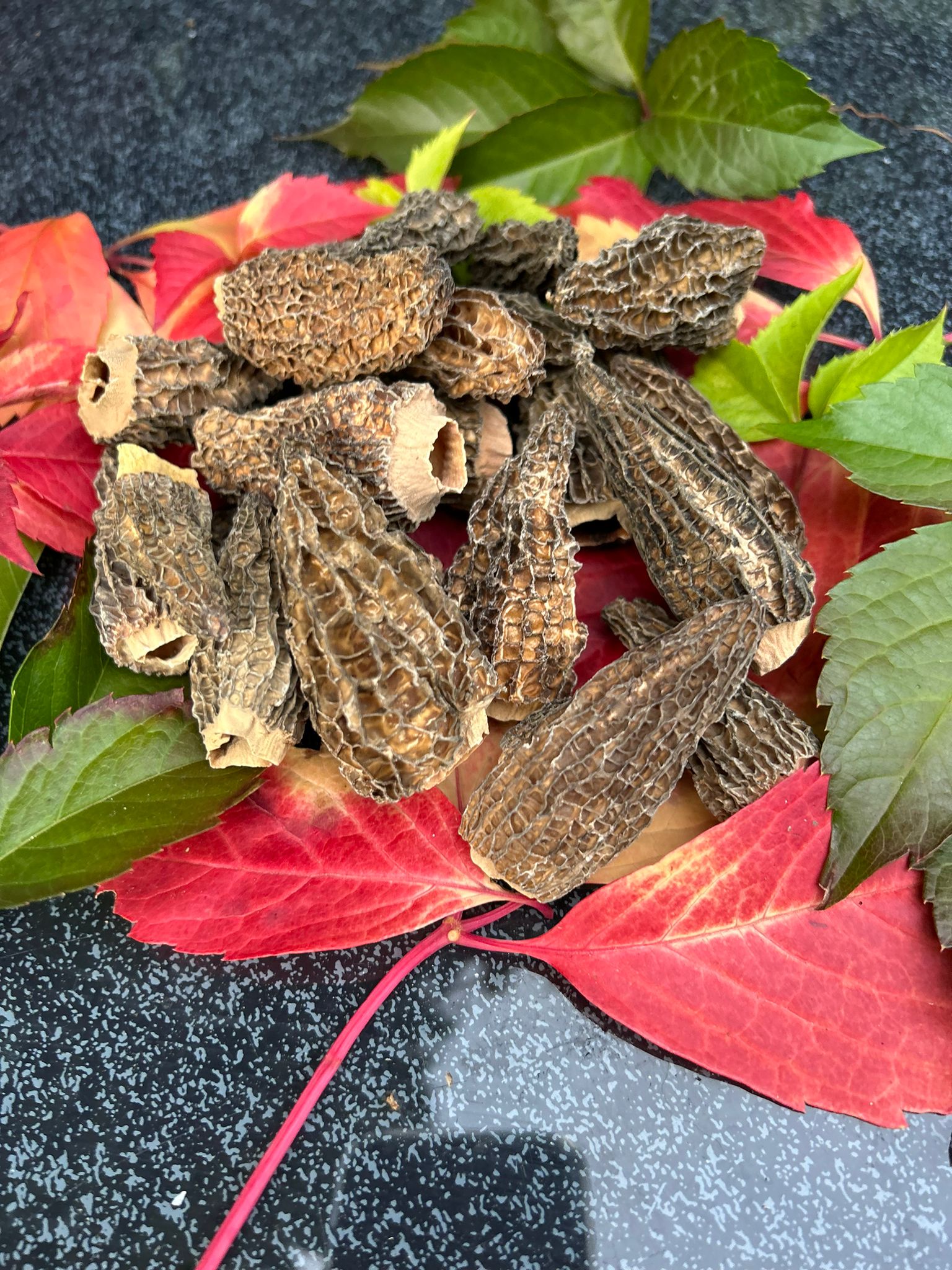
Intense, earthy,
hazelnut and butter.
An intense, earthy taste with hints of hazelnut and butter. A texture both firm and spongy, ideal for sauces, pasta, risottos or omelettes.
IV — Preparation
Cleaning
makes half the dish.
Morels collect dirt in their crevices: they must be cleaned with care. Then sautéed with butter and garlic, in a sauce, or stuffed — and always cooked, for at least 20 minutes.
V — Gastronomic value
A luxury food,
and here is why.
Their rarity, the difficulty of cultivating them and the brevity of the season explain their price — and their prestige.
Three origins,
one standard of sorting.
Himalaya and Anatolia wild, Sichuan cultivated.